



Other disease
-
Other disease (62)

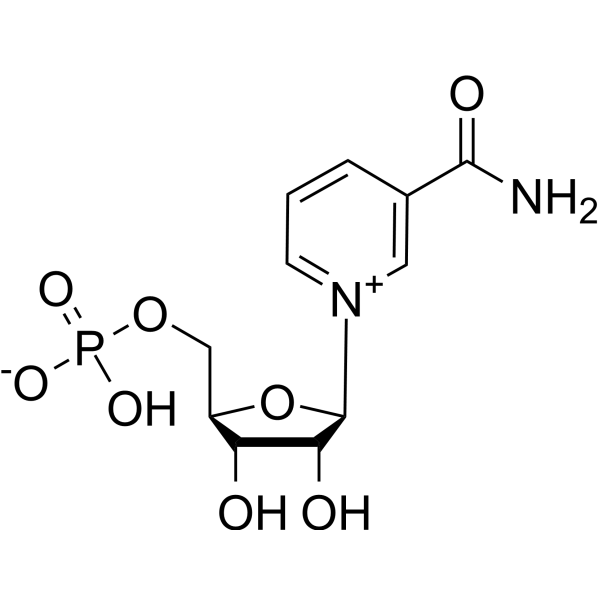
- Formula: C11H15N2O8P
- Molecular Weight: 334.22
Fosribnicotinamide (β-nicotinamide mononucleotide) is a product of the nicotinamide phosphoribosyltransferase (NAMPT) reaction and a key NAD+ intermediate. The pharmacological activities of Fosribnicotinamide include its role in cellular biochemical functions, cardioprotection, diabetes, Alzheimer's disease, and complications associated with obesity.
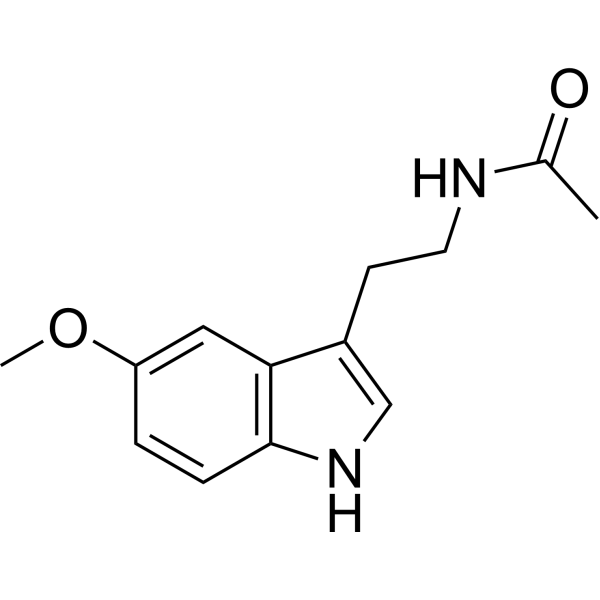
- Formula: C13H16N2O2
- Molecular Weight: 232.28
Melatonin is a hormone made by the pineal gland that can activate melatonin receptor and inhibit PANoptosis. Melatonin plays a role in sleep and possesses important antioxidative and anti-inflammatory properties. Melatonin is a novel selective ATF-6 inhibitor and induces human hepatoma cell apoptosis through COX-2 downregulation. Melatonin attenuates palmitic acid-induced (HY-N0830) mouse granulosa cells apoptosis via endoplasmic reticulum stress.
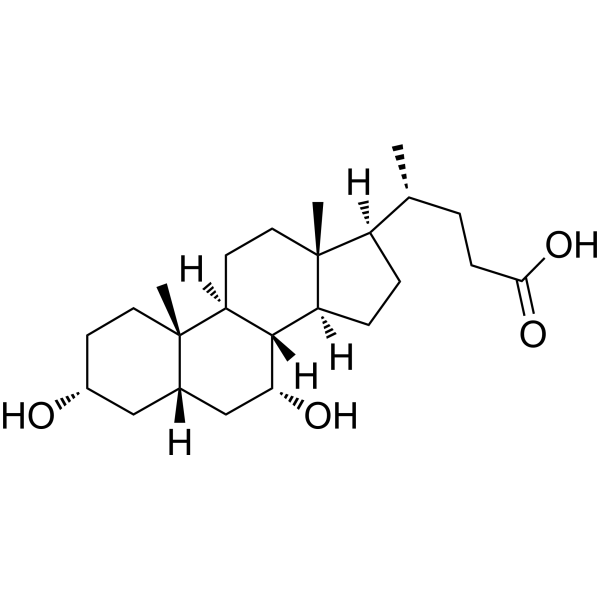
- Formula: C24H40O4
- Molecular Weight: 392.57
Chenodeoxycholic Acid is a hydrophobic primary bile acid that activates nuclear receptors (FXR) involved in cholesterol metabolism.
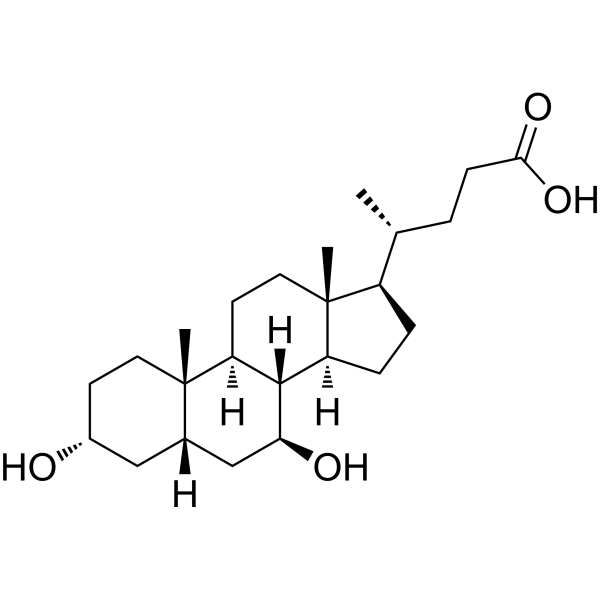
- Formula: C24H40O4
- Molecular Weight: 392.57
Ursodeoxycholic acid (Ursodeoxycholate) is a secondary bile acid issued from the transformation of (cheno)deoxycholic acid by intestinal bacteria, acting as a key regulator of the intestinal barrier integrity and essential for lipid metabolism. Ursodeoxycholic acid acts as signaling molecule, exerting its effects by interacting with bile acid activated receptors, including G-protein coupled bile acid receptor 5 (TGR5, GPCR19) and the farnesoid X receptor (FXR). Ursodeoxycholic acid can be used for the research of a variety of hepatic and gastrointestinal diseases. Ursodeoxycholic acid also reduces ACE2 expression and is beneficial for reducing SARS-CoV-2 infection. Orally active.
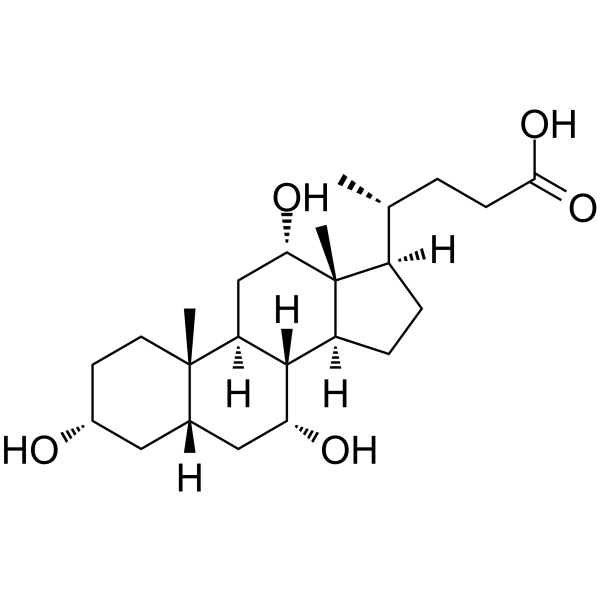
- Formula: C24H40O5
- Molecular Weight: 408.57
Cholic acid is a major primary bile acid produced in the liver and usually conjugated with glycine or taurine. It facilitates fat absorption and cholesterol excretion. Cholic acid is orally active.
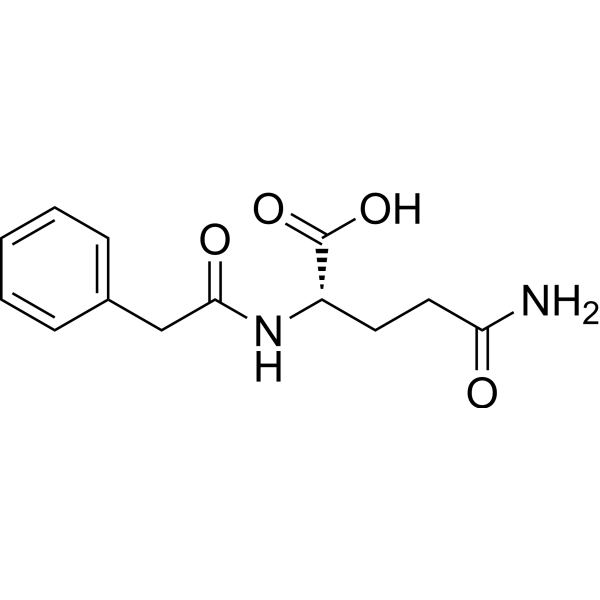
- Formula: C13H16N2O4
- Molecular Weight: 264.28
Phenylacetylglutamine is a colonic microbial metabolite from amino acid fermentation.

- Formula: C3H9NO
- Molecular Weight: 75.11
Trimethylamine N-oxide is a gut microbe-dependent metabolite of dietary choline and other trimethylamine-containing nutrients. Trimethylamine N-oxide induces inflammation by activating the ROS/NLRP3 inflammasome. Trimethylamine N-oxide also accelerates fibroblast-myofibroblast differentiation and induces cardiac fibrosis by activating the TGF-β/smad2 signaling pathway.
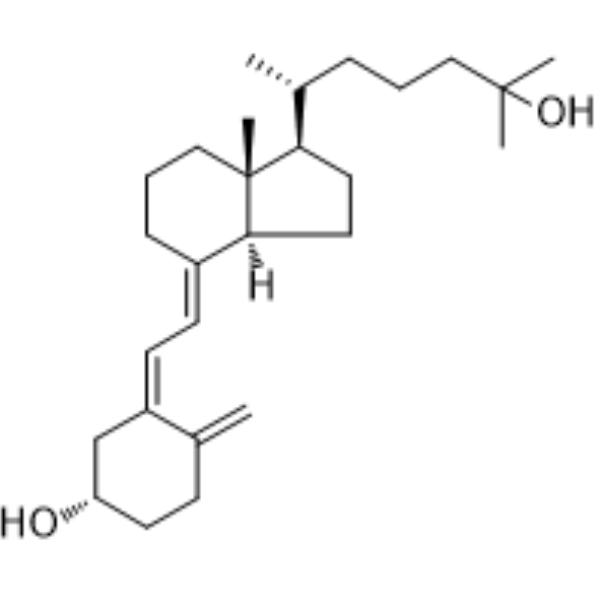
- Formula: C27H44O2
- Molecular Weight: 400.64
Calcifediol (25-hydroxy Vitamin D3) is an effective VDR ligand and VD supplement. Calcifediol is a prohormone of the vitamin D endocrine system (VDES) and is hydroxylated in the liver to produce the active form, calcitriol. Calcifediol can rapidly increase serum VD levels.
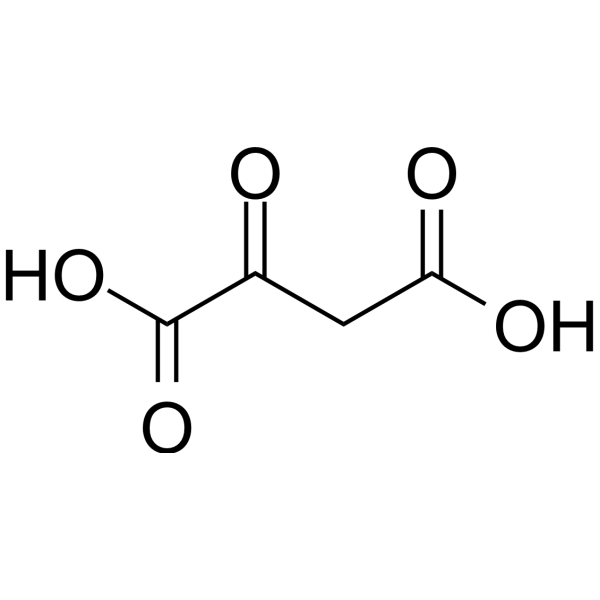
- Formula: C4H4O5
- Molecular Weight: 132.07
Oxaloacetic acid (2-Oxosuccinic acid) is a metabolic intermediate involved in several ways, such as citric acid cycle, gluconeogenesis, the urea cycle, the glyoxylate cycle, amino acid synthesis, and fatty acid synthesis, whereby Oxaloacetic acid facilitates the clearance of reactive oxygen species (ROS) and improves mitochondrial function.
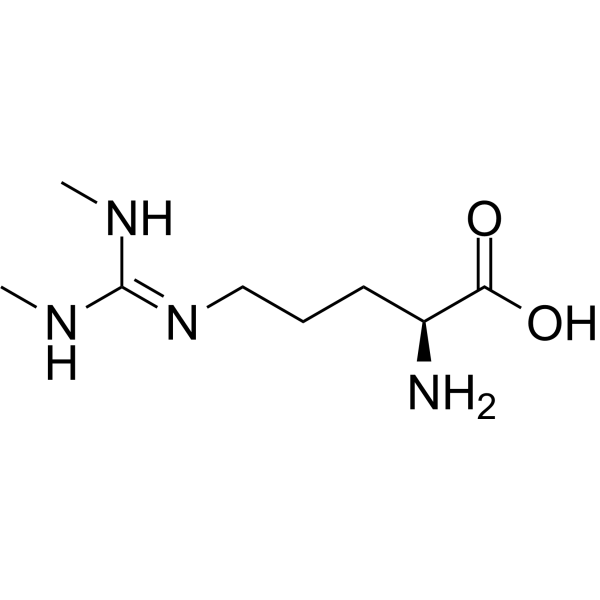
- Formula: C8H18N4O2
- Molecular Weight: 202.25
SDMA (Symmetric dimethylarginine) is an endogenous inhibitor of nitric oxide (NO) synthase activity. SDMA, a novel kidney biomarker, permits earlier diagnosis of kidney disease than traditional creatinine testing.
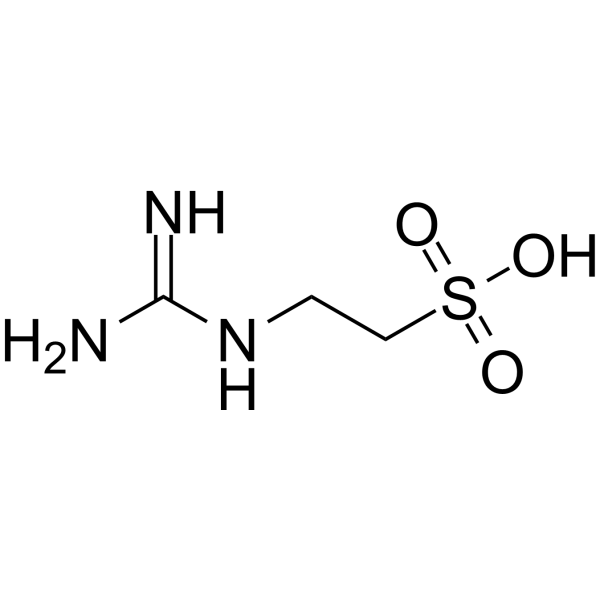
- Formula: C3H9N3O3S
- Molecular Weight: 167.19
Guanidinoethyl sulfonate (Taurocyamine) is an orally available, blood-brain permeable competitive inhibitor of taurine transporters and a competitive antagonist of glycine receptors (GlyR) (IC50=565 μM). Guanidinoethyl sulfonate has both weak agonist and antagonist effects on GABAA receptors. Guanidinoethyl sulfonate inhibits taurine transmembrane transport and competitively binds to the GlyR ligand binding domain, thereby blocking glycine-mediated chloride influx, and may regulate brain pH to exert neuroprotective effects. Guanidinoethyl sulfonate can be used for neuroprotection studies of ischemic brain injury.
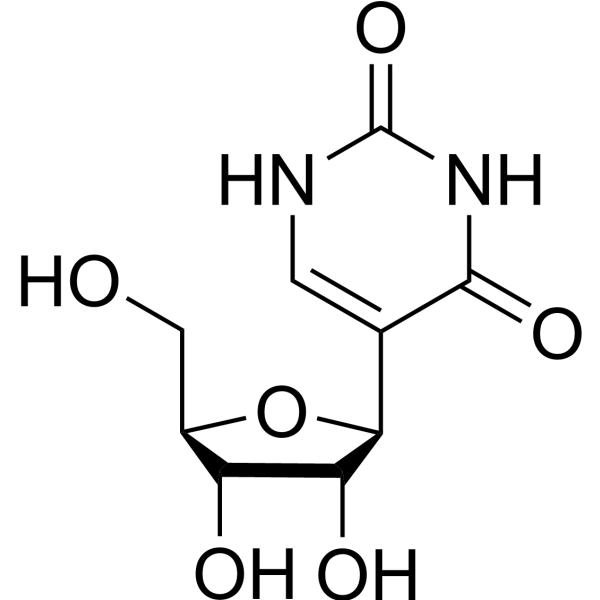
- Formula: C9H12N2O6
- Molecular Weight: 244.20
Pseudouridine is an isomer of uridine and the most abundant modified nucleoside in non-coding RNA. It fine-tunes and stabilizes regional structures in rRNA and tRNA, maintaining their functions in mRNA decoding, ribosome assembly, processing, and translation. Pseudouridine-modified tRNA fragments can inhibit aberrant protein synthesis and hold promise for research on myelodysplastic syndrome (MDS)-related leukemia..
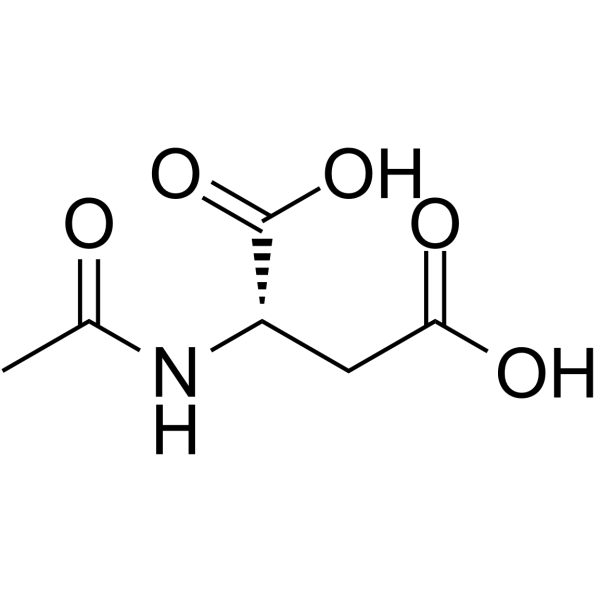
- Formula: C6H9NO5
- Molecular Weight: 175.14
N-Acetyl-L-aspartic acid is a derivative of Aspartic acid (HY-N0666) and endogenous compound. N-Acetyl-L-aspartic acid acts as an acetyl donor. N-Acetyl-L-aspartic acid is involved in brain metabolism. N-Acetyl-L-aspartic acid is used in the research of neurodegenerative diseases (such as Canavan disease).
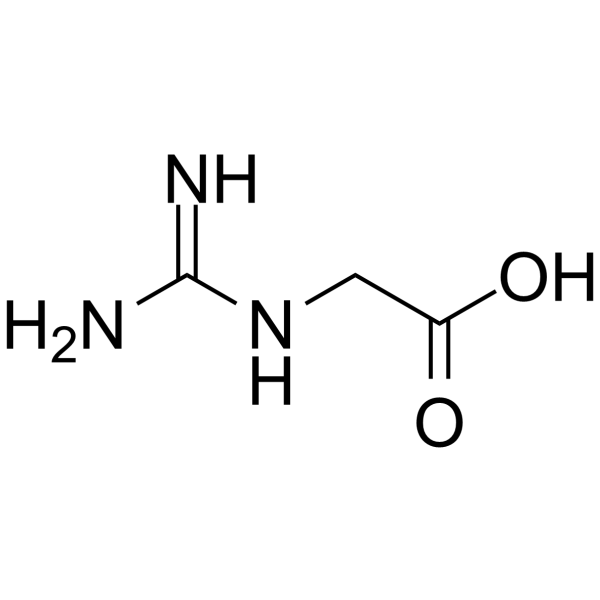
- Formula: C3H7N3O2
- Molecular Weight: 117.11
Glycocyamine (Guanidinoacetic acid) is a direct precursor of creatine and an orally active energy metabolism regulator and myogenic differentiation inducer. Glycocyamine can activate the Akt/mTOR/S6K signaling pathway via miR-133a-3p and miR-1a-3p, and stimulate the mRNA expression of myogenic differentiation factor 1 (MyoD) and myopoietin (MyoG). Glycocyamine can increase muscle creatine concentration and maintain ATP homeostasis through the creatine phosphate/creatine kinase system. Glycocyamine can be used in research on feed additives for poultry farming.
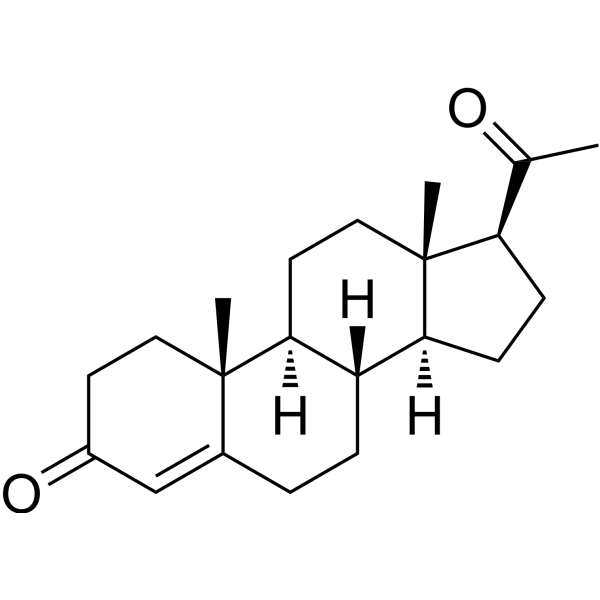
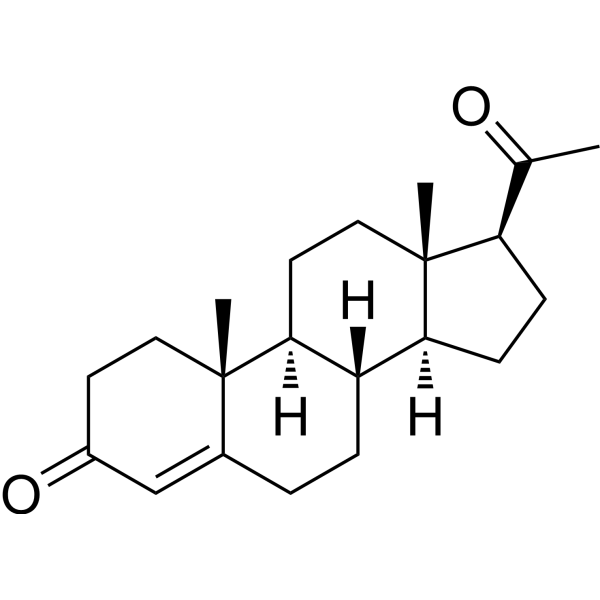
- Formula: C₂₁H₃₀O₂
- Molecular Weight: 314.47
Progesterone (Standard) is the analytical standard of Progesterone. This product is intended for research and analytical applications. Progesterone is a steroid hormone that regulates the menstrual cycle and is crucial for pregnancy.
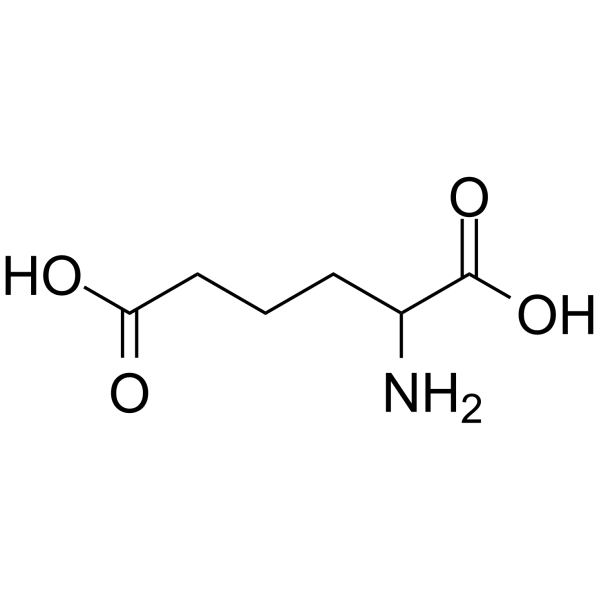
- Formula: C6H11NO4
- Molecular Weight: 161.16
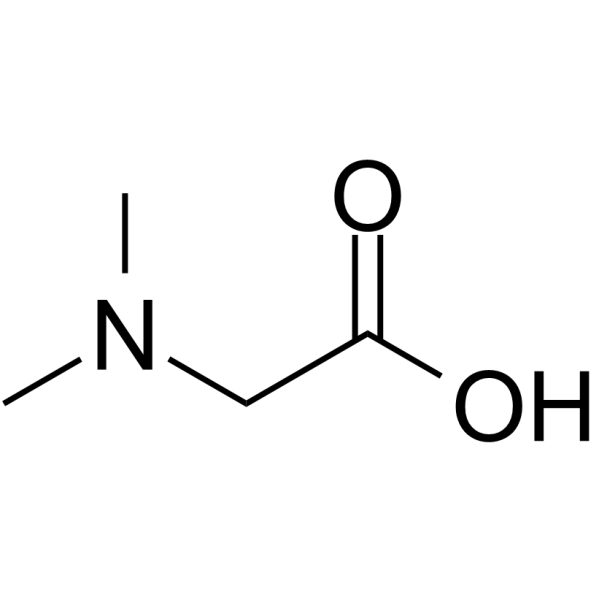
- Formula: C4H9NO2
- Molecular Weight: 103.12
N,N-Dimethylglycine (Dimethylglycine), a natural N-methylated glycine, is a nutrient supplement and acts as an NMDAR glycine site partial agonist. N,N-Dimethylglycine is a methyl donor that can improve immunity, act as an antioxidant to prevent oxidative stress, and scavenge excess free radicals. N,N-Dimethylglycine has antidepressant-like and surfactant effects.
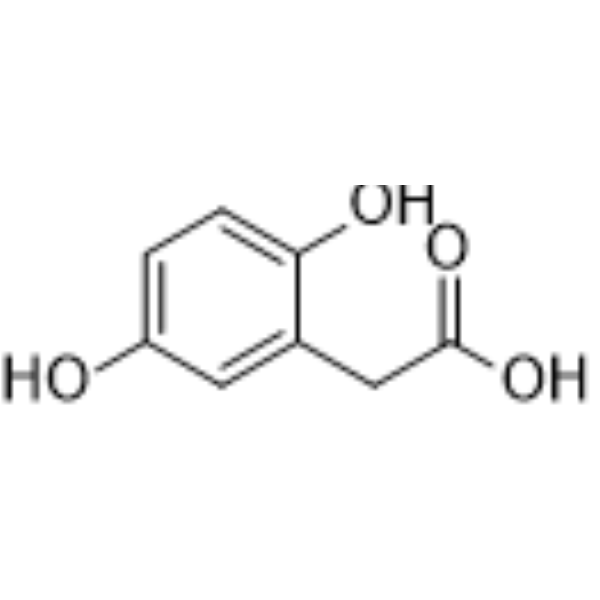
- Formula: C8H8O4
- Molecular Weight: 168.15
Homogentisic acid is an orally active, blood-brain barrier-permeable amyloidogenic compound that functions as both an amyloid component and a pigment precursor. Accumulation of homogentisic acid downregulates tight junction proteins (such as claudin-5, occludin, ZO-1) and impairs blood-brain barrier integrity. Homogentisic acid and its oxidation product benzoquinone acetic acid not only induce the aggregation and fibrosis of multiple proteins (such as Aβ1-42, α-synuclein, SAA, Transthyretin (TTR), atrial natriuretic peptide), but also trigger oxidative stress, damage to the Wnt/β-catenin pathway, and neurotoxicity, leading to ochronosis pigment deposition and synaptic dysfunction. At specific concentrations, homogentisic acid exerts no cytotoxicity or genotoxicity on human peripheral blood lymphocytes, and even counteracts the genotoxicity induced by Irinotecan (HY-16562). Homogentisic acid serves as an important tool molecule for investigating the mechanisms of diseases including ochronosis, secondary amyloidosis, Alzheimer's disease, and colorectal cancer.



